
Z Image: Unlocking the Future of Open-Source AI Visual Generation
In the rapidly evolving landscape of artificial intelligence, the introduction of z image marks a pivotal moment for creators, developers, and digital artists worldwide. As Alibaba's newly open-sourced AI image model, z image is designed to push the boundaries of visual fidelity, semantic understanding, and generative speed.
Text Description*
Prompt Tips:
- • Start with the subject, followed by style and details
- • Be specific about colors, lighting, and composition
- • Include technical terms like "8k resolution" or "highly detailed"
Aspect Ratio
Image Preview
Generated image will be displayed here
In the rapidly evolving landscape of artificial intelligence, the introduction of z image marks a pivotal moment for creators, developers, and digital artists worldwide. As Alibaba's newly open-sourced AI image model, z image is designed to push the boundaries of visual fidelity, semantic understanding, and generative speed. At ImageToVideo-AI, we are thrilled to integrate this powerful tool into our ecosystem, allowing users to harness the raw power of the z image architecture to create stunning base visuals that serve as the perfect foundation for video transformation.
The release of z image represents a significant leap forward in the democratization of high-end generative AI. Unlike closed systems that limit user control, the open-source nature of z image fosters a community of innovation, allowing for continuous improvements and specialized fine-tuning. Whether you are looking to generate photorealistic landscapes, complex character designs, or abstract art, z image provides the robust neural network capabilities necessary to turn text prompts into pixel-perfect reality. By leveraging the z image model, users can experience a level of detail and coherence that was previously reserved for proprietary enterprise solutions.
Throughout this comprehensive guide, we will explore the technical nuances of z image, its seamless integration into image-to-video workflows, and why z image is rapidly becoming the preferred choice for AI enthusiasts. Join us as we dive deep into the capabilities of z image and discover how it is redefining the standards of digital creativity.
Understanding the Core Technology Behind Z Image
Advanced diffusion architecture for superior image generation
At its heart, z image utilizes a sophisticated diffusion architecture that differentiates it from earlier generative models. The researchers at Alibaba have engineered z image to optimize the balance between computational efficiency and output quality. When we analyze the technical specifications of z image, we see a model that has been trained on a massive, diverse dataset, enabling it to understand nuanced cultural references and complex prompt structures. The z image framework employs an advanced latent space processing technique, which allows z image to interpret text descriptions with remarkable accuracy.
One of the standout features of z image is its attention mechanism. In traditional models, losing focus on peripheral details is common, but z image maintains global coherence across the entire canvas. This means that background textures, lighting consistency, and spatial relationships are handled with precision by the z image algorithms. For developers utilizing the open-source code, z image offers a modular design, making it easier to implement custom adapters or LoRA (Low-Rank Adaptation) layers on top of the base z image weights. This flexibility is what makes z image a versatile powerhouse in the AI industry.
Furthermore, the z image training pipeline incorporated reinforcement learning from human feedback (RLHF) to align the model's outputs with human aesthetic preferences. This ensures that the images generated by z image are not only technically correct but also visually pleasing. By reducing artifacts and enhancing distinct details, z image sets a new benchmark for open-source visual models.
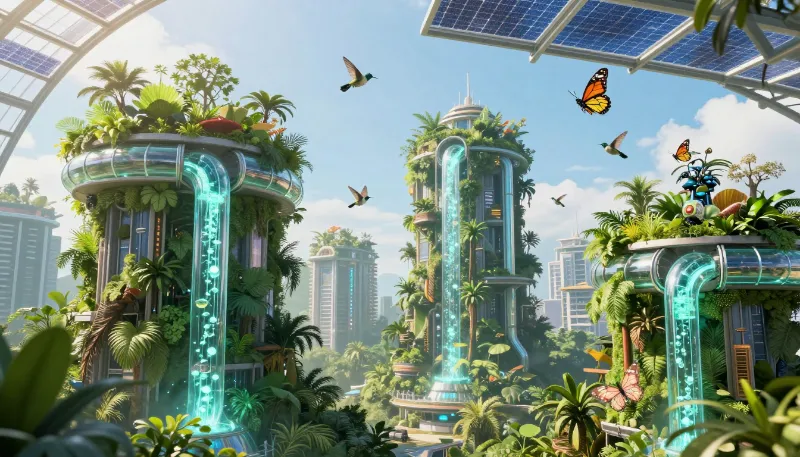
How Z Image Revolutionizes the Image-to-Video Workflow
Seamless integration for enhanced video generation
On our platform, ImageToVideo-AI, the quality of the input image is the single most critical factor in determining the quality of the final video output. This is where z image becomes an indispensable asset. By using z image to generate your initial static assets, you ensure that the source material has the high resolution and structural integrity required for animation. z image excels at generating consistent character features, which is crucial when an AI video generator attempts to simulate movement.
When you start your workflow with z image, you reduce the 'shimmering' and warping effects often seen in low-quality AI video generation. z image creates a stable foundation. For example, if you are creating a cinematic sequence, z image can generate a photorealistic scene with accurate lighting maps. When this z image output is fed into a video synthesis model, the motion estimation algorithms have a cleaner reference point. Consequently, the transition from a static z image creation to a dynamic video is smoother and more realistic.
Moreover, the speed of z image allows for rapid iteration. Users can generate dozens of variations using z image in minutes, select the best candidate, and immediately proceed to video animation. This tight integration of z image into the creative pipeline significantly reduces production time. Whether you are a marketer creating social media reels or a filmmaker prototyping scenes, the combination of z image generation and video animation tools creates a seamless, high-efficiency workflow.

Key Features that Set Z Image Apart from Competitors
Why Z Image stands out in the AI image generation market
In a crowded market of AI models, z image distinguishes itself through several key features. Firstly, the semantic adherence of z image is superior to many existing open-source alternatives. When a user inputs a complex prompt with multiple subjects and descriptive modifiers, z image successfully renders all elements without bleeding concepts together. This 'prompt loyalty' makes z image a favorite among professional prompters who demand precision.
Secondly, z image boasts exceptional handling of text rendering within images. While many models struggle to generate legible text, z image has been trained to recognize and reproduce glyphs more accurately. This makes z image particularly useful for creating posters, book covers, and marketing materials where typography integration is essential. Additionally, z image supports a wide range of aspect ratios natively, without the need for cropping or outpainting, giving users complete compositional control.
Another competitive advantage of z image is its optimized resource consumption. Alibaba developers have fine-tuned z image to run efficiently on consumer-grade GPUs, democratizing access to high-end AI art. You do not need a supercomputer to run z image locally or via cloud APIs. This efficiency does not come at the cost of quality; z image consistently scores high on aesthetic evaluation metrics, proving that z image is both lightweight and heavy-hitting in terms of performance.
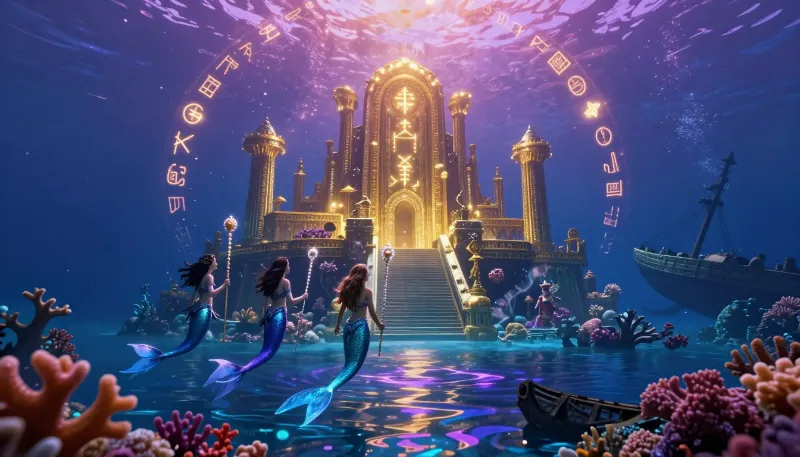
Step-by-Step Guide to Using Z Image on Our Platform
Simple and intuitive workflow for creating stunning images
Getting started with z image on ImageToVideo-AI is a straightforward process designed for user ease. First, navigate to the generation panel and select z image as your core model. Because z image is integrated directly into our backend, there is no need for complex installations. Simply type your prompt into the text box. We recommend being descriptive, as z image thrives on detailed instructions.
Once your prompt is ready, you can adjust specific z image parameters such as the guidance scale (CFG) and sampling steps. A higher step count with z image typically yields more detailed textures, while the guidance scale controls how strictly z image adheres to your prompt. After configuring these settings, hit 'Generate'. The z image engine will process your request and deliver a high-resolution image in seconds.
After the z image result is generated, you have the option to refine it. You can use the z image in-painting tool to correct small details or use the z image variation feature to explore different artistic styles. Once you are satisfied with the z image creation, simply click the 'Animate' button to transfer this asset to our video generation pipeline. This seamless transition highlights the utility of using z image within a unified ecosystem.
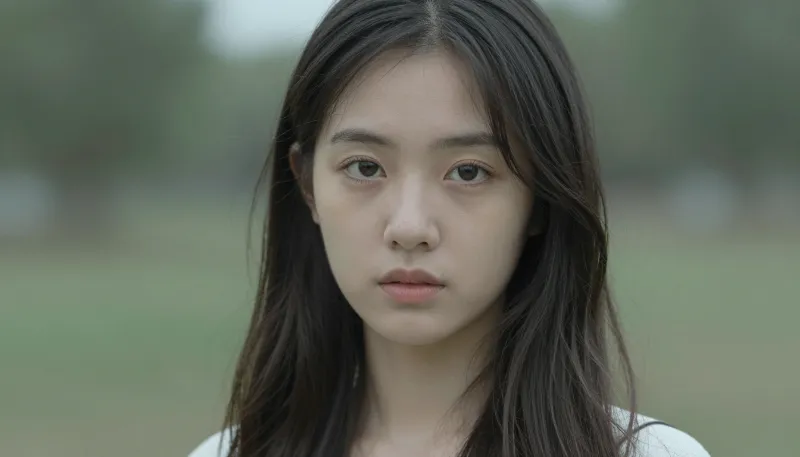
The Architecture and Technical Specs of Z Image
Deep dive into the technical foundation of Z Image
Delving deeper into the technicalities, z image is built upon a massive transformer-based diffusion backbone. The parameter count of z image allows it to store an immense amount of visual knowledge. Alibaba has released z image in various sizes to cater to different hardware constraints, but the core z image architecture remains consistent across versions. The model utilizes a multi-stage denoising process, where z image iteratively refines random noise into a coherent image.
The training data for z image underwent rigorous filtering to ensure high aesthetic quality and safety. The z image tokenizer is capable of processing long-context prompts, allowing for storytelling-style inputs. Furthermore, z image implements an advanced Variational Autoencoder (VAE) which is responsible for compressing and decompressing images. The z image VAE is particularly good at decoding fine details like hair strands and skin textures, which often look blurry in lesser models.
For developers interested in fine-tuning, z image is compatible with standard training scripts. The z image weights are structured to be easily adaptable, meaning the community can build specialized versions of z image for anime, photorealism, or architectural visualization. This technical robustness ensures that z image is not just a toy, but a professional-grade development platform.
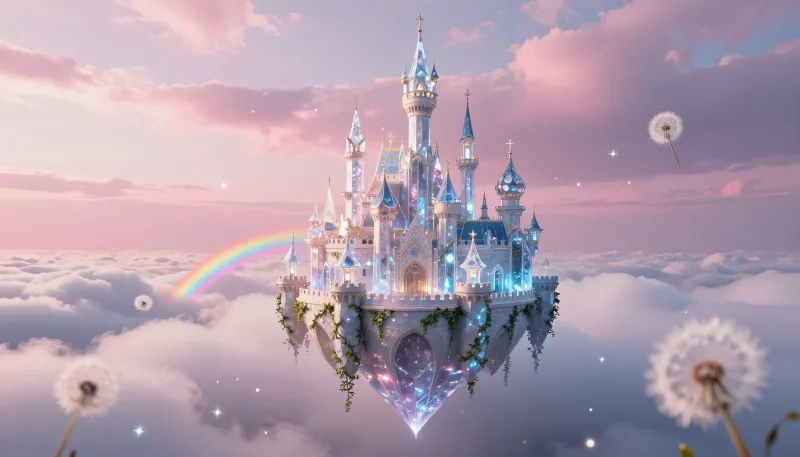
Frequently Asked Questions About Z Image (FAQ)
Common questions and answers about Z Image
1. What exactly is the z image model?
z image is a cutting-edge AI image generation model recently open-sourced by Alibaba. It utilizes advanced diffusion technology to create high-quality images from text descriptions. The z image model is known for its semantic accuracy and visual fidelity.
2. Is z image free to use for personal projects?
Yes, as an open-source model, the core code of z image is available for public use. On our platform, we offer free and premium tiers to access z image via our optimized cloud infrastructure, making z image accessible to everyone.
3. How does z image compare to other models like Midjourney?
While Midjourney is a closed source service, z image provides transparency and customizability due to its open-source nature. Many users find that z image offers comparable image quality with greater control over the generation pipeline.
4. Can I use images generated by z image for commercial purposes?
Generally, yes. The open-source license for z image typically allows for commercial use, but you should always check the specific licensing terms of the z image release. Content generated on our platform using z image belongs to you.
5. What makes z image better for video generation workflows?
z image generates highly coherent and structurally sound images. This stability is crucial when the image is used as a frame for video generation, preventing the 'wobble' often seen when animating lower-quality inputs. z image provides the best starting point.
6. Do I need a powerful computer to run z image?
If running locally, z image requires a GPU with significant VRAM. However, by using z image through ImageToVideo-AI, you do not need any special hardware; our cloud servers handle the heavy lifting for the z image processing.
7. Does z image support different aspect ratios?
Absolutely. z image can generate images in various aspect ratios, including 16:9, 9:16, and 1:1. This flexibility ensures that z image outputs are ready for any platform, from YouTube to TikTok.
8. How often is the z image model updated?
Since z image is backed by Alibaba and an open-source community, updates are frequent. We ensure that our platform is always running the latest, most stable version of z image so you have access to the newest features immediately.